With the rapid development of cloud computing, more and more companies and individuals choose to deploy cloud servers in South Korea. However, in some cases, you may need to modify the address of the Korean cloud server. This article will introduce in detail the steps and precautions for modifying the Korean cloud server address to help you complete this operation smoothly.
It is crucial to make sure that all important data is backed up before modifying the Korean cloud server address. This step can avoid data loss caused by operational errors. During backup, data can be stored on a local hard drive or other cloud storage service to ensure data security.
After completing the data backup, the next step is to log in to your Korean cloud server management backend. Usually, you need to log in with your administrator account and password. In the management background, you can see various settings and status information of the server, which is where address modification is performed.
After logging in successfully, find the network settings options. This is usually under the Settings or Network menu. After clicking to enter the network settings page, you will see the current server address and other related configurations. Make sure you are clear about the current configuration so that you can compare after modification.
On the Network Settings page, you can find the option to modify the server address. Enter a new server address here. Make sure the new address complies with network specifications and is available. If you are not sure, you can use network tools to verify that the new address does not conflict with other devices.
After completing the address modification, click Save Settings. You may be prompted to restart the server for the new settings to take effect. After restarting, your Korean cloud server will be accessed using the new address. Please wait patiently until the server restarts completely.
After modifying the Korean cloud server address, it is very important to check whether the server-related services are operating normally. For example, if you use the website hosting service provided by a cloud server, make sure the website is accessible properly. Additionally, you need to update your DNS record to make sure the domain name points to the new server address correctly.
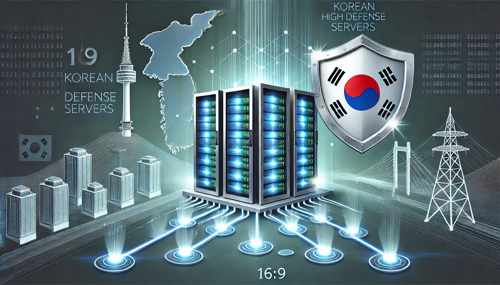
Although the process of modifying the Korean cloud server address is simple, it requires careful operation. Before implementing any changes, be sure to back up important data and make sure you understand your current network configuration. After making modifications, check the service status and DNS settings in time to ensure that the server can operate normally. If you encounter any problems during operation, it is recommended to consult a professional technical support team to avoid unnecessary losses.
- Latest articles
- Popular tags
-
Recommended High-performance Korean Vps Usage Experience In Nantong Area
This article shares the high-performance Korean VPS experience of users in Nantong area to help you choose the right server. -

How To Temporarily Scale Up During Peak Activity By Purchasing A Korean Cloud Server For One Day
Professional guide: Explains how to purchase a Korean cloud server for one day to complete temporary scaling during peak activity, including key points for selection, deployment, network and traffic switching, suitable for project operations and product teams needing short-term elastic scaling. -
Compliance And Filing South Korea Dial-up Vps20M Cross-border Communication And Legal Compliance Considerations
This article focuses on compliance and filing South Korea dial-up vps20M, systematically sorting out legal compliance considerations, filing and licenses, data and privacy protection, as well as operational and risk control practice suggestions in cross-border communications. It is suitable for corporate reference and SEO optimization.